

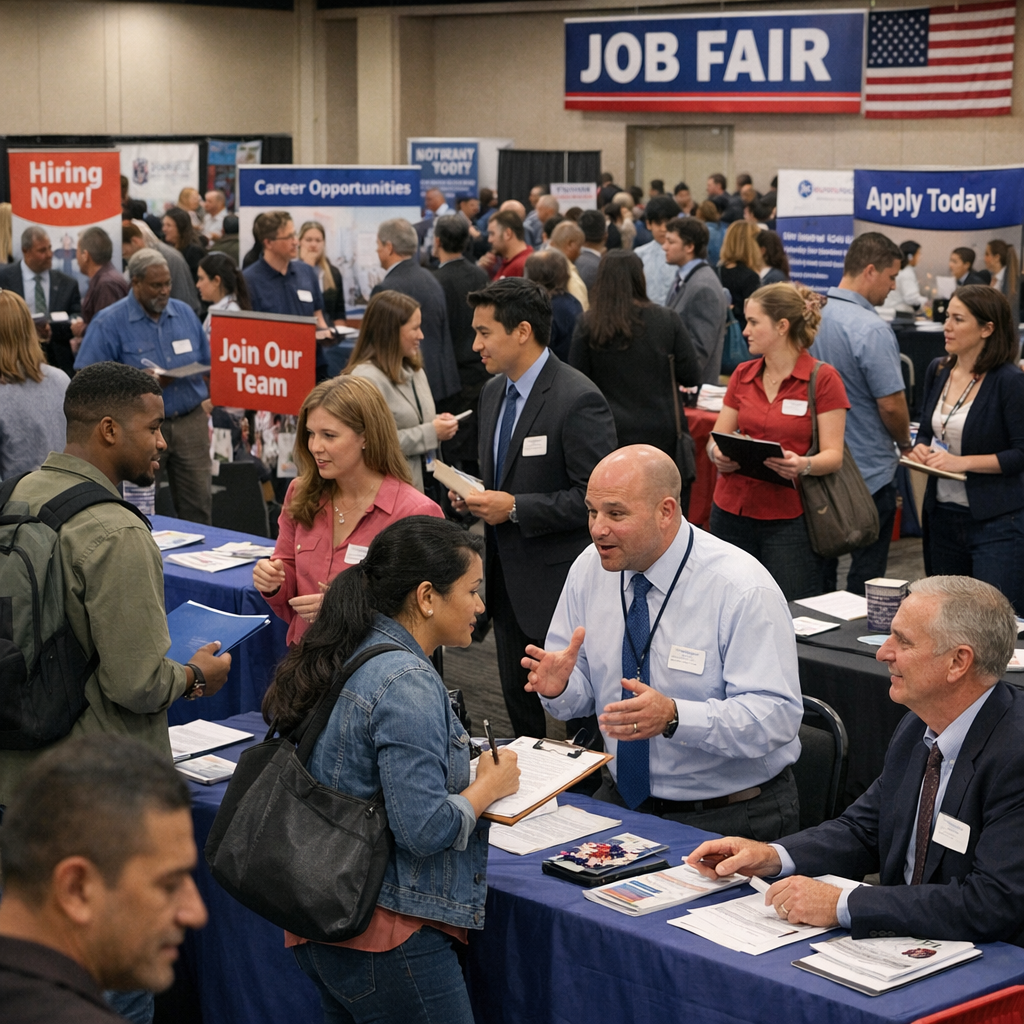
The United States economy is demonstrating resilience despite facing several challenges, including inflation and geopolitical tensions. Recent data indicates a positive trajectory in job growth and economic expansion.
Job Market and Economic Growth
In May, the U.S. added 172,000 jobs, maintaining the unemployment rate at a low 4.3%. This marks the strongest hiring growth since early 2024, with significant gains in sectors such as local government, hospitality, and healthcare. Economists view this as a solid rebound from the previous year’s employment numbers.
Inflation and Consumer Sentiment
Despite job market improvements, inflation remains a concern. Rising costs for essentials like gas, food, and electricity have led to public dissatisfaction. Wage growth is modest at 3.4% year-over-year, and long-term unemployment persists, with 28% of jobless Americans unemployed for over six months.
Federal Reserve and Interest Rates
Wall Street anticipates potential interest rate hikes, contrary to the administration’s push for cuts. An increase by the Federal Reserve could lead to higher borrowing costs for mortgages, auto loans, and business loans.
Impact on the Virgin Islands
For residents of the Virgin Islands, these national economic trends have local implications. The rise in energy prices affects transportation and utility costs, while inflation impacts the affordability of imported goods. However, the robust job market may offer opportunities for those seeking employment or career advancement.
Staying informed about these developments is crucial for making sound financial decisions. As the economic landscape evolves, understanding both national trends and their local effects will help residents navigate the challenges and opportunities ahead.